From discovery to collection to connection
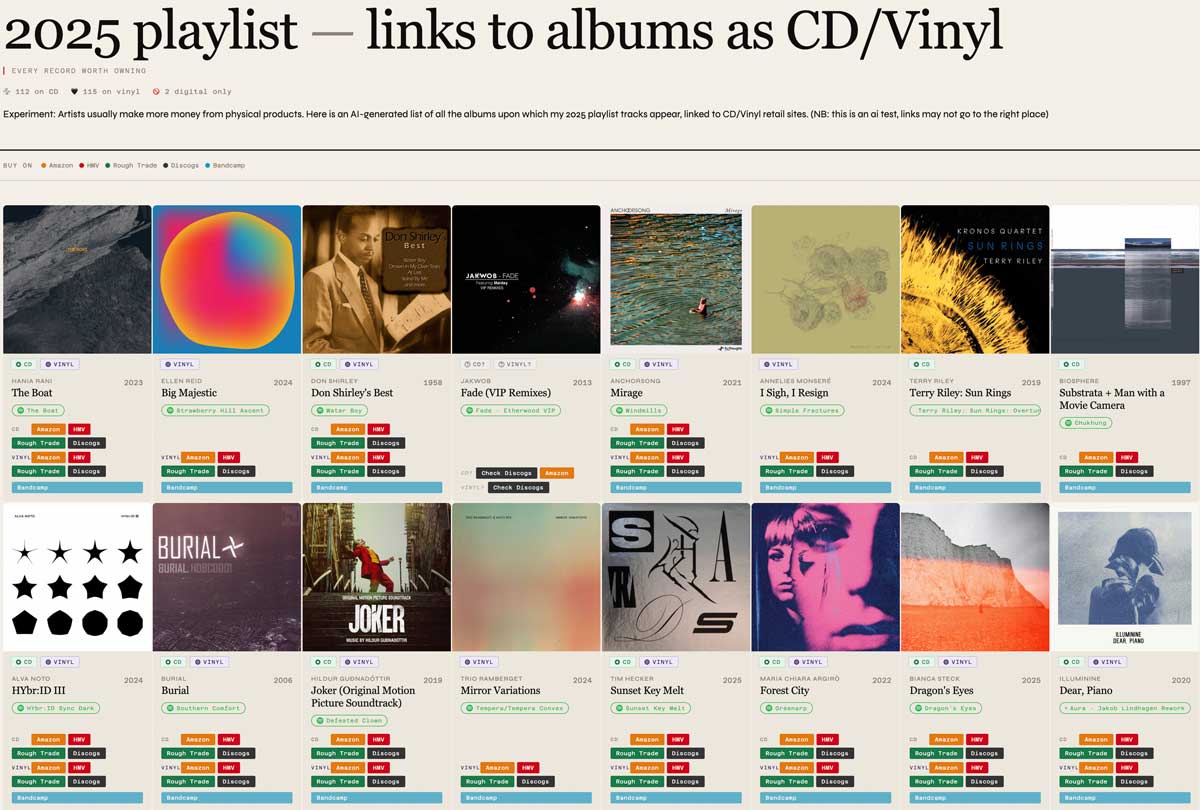
Turning your Spotify playlist into a record collection, and why that could be really disruptive Quick summary I’ve long wanted to make it easy to […]
Turning your Spotify playlist into a record collection, and why that could be really disruptive Quick summary I’ve long wanted to make it easy to […]
AI-generated image of an amplifier being controlled via a web interface.
Alderman Professor Michael Mainelli is Lord Mayor of the City of London from 10 November 2023 until 10 November 2024. Michael’s working theme is ‘Connect To Prosper […]
So, after asking Spotify to treat album art properly for over a decade I ended up giving up and fixing it myself (and let them […]
Is that a hi-fi or a soundstage?
What Alex has created in the Algorave movement is quite remarkable. He’s ‘cracked the code’ [literally] of how to transform coding into a live creative […]
An experiment with an old track (2002) and more recent video (2018)… [best watched full-screen & if you like repeating patterns with tiny variations] Music […]
ROYAL ASTRONOMICAL SOCIETY PRESS RELEASE RAS PR 17/30 (NAM 13) 3rd July 2017 A project that explores whether there is a musical equivalent to the […]
In October 2012, as CEO of the newly-created Open Data Institute, the first work I commissioned was … art. Why art? For me, artists help […]
Thinking about the sea http://www.nytimes.com/2015/08/02/sunday-review/protecting-the-untamed-seas.html and webcasting https://dgen.net/blog/ms-hans and music http://rinse.fm http://store.darkclover.ro/album/sabo http://tidal.lurk.org http://lysuc888.blogspot.co.uk http://www.aec.at/aeblog/en/2015/08/03/rhythmus-als-dna-der-musik and long playing things http://longplayer.org/about/ and cosmology/topology http://www.binarydust.org/2012/09/21/evolving-language http://www.nersc.gov/news-publications/nersc-news/science-news/2014/simulations-reveal-unusual-death-for-ancient-stars and […]
I’ll be speaking at the Eighteenth International Symposium on Electronic Art, ISEA2012 Albuquerque. Machine Wilderness is a symposium and series of events exploring the discourse […]
A sneak preview of some of the work I’ll be presenting on Sunday. Below is a radio-image taken by ALMA of the “Antennae Galaxies” colliding. […]
“On 12 April 1961 Yuri Gagarin became the first human in outer space and the first to orbit the Earth. 2011 sees the fiftieth anniversary […]
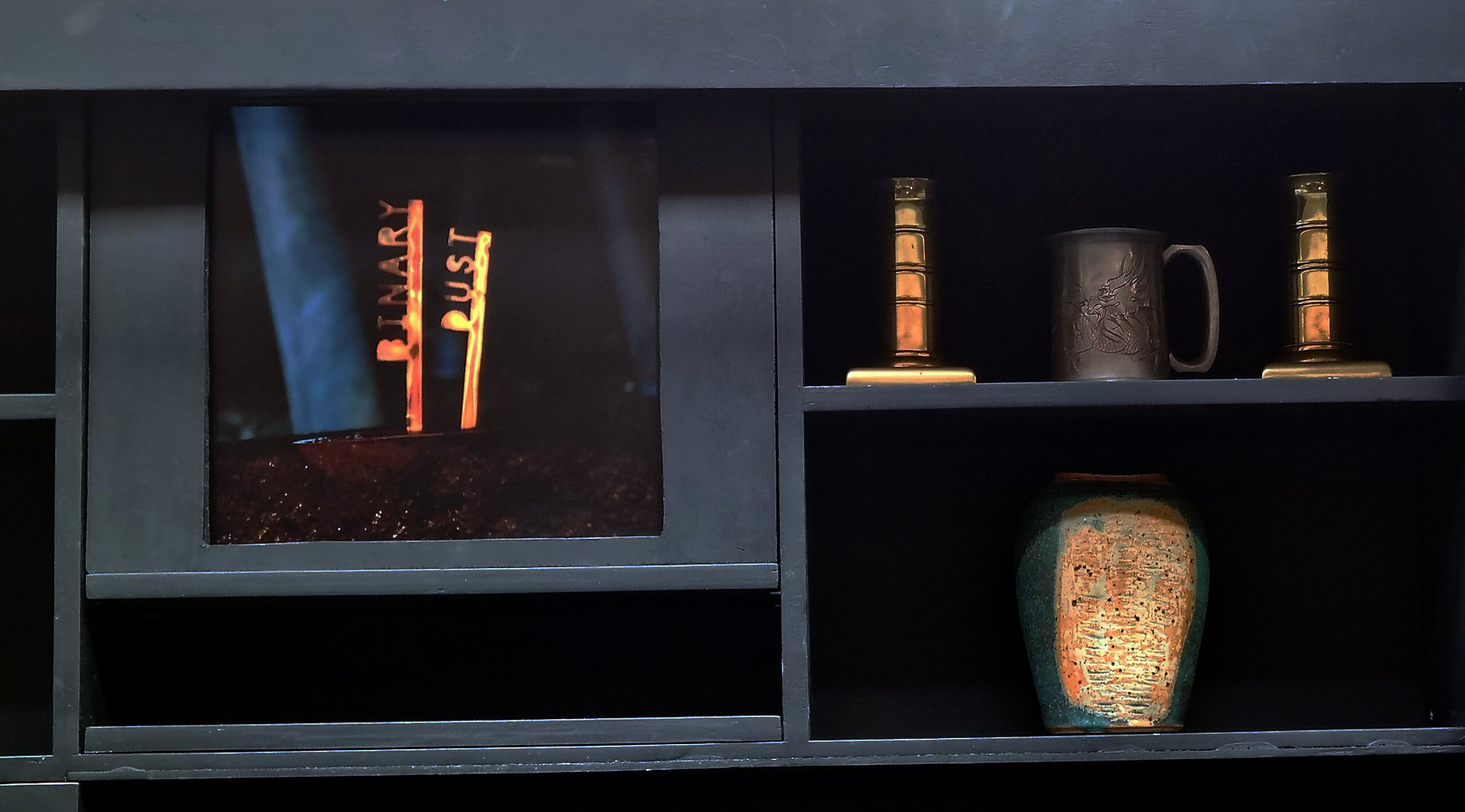
Well, it’s taken a little while to pull together, but Binary Dust is now live. Hope you enjoy.
A big shout out to RinseFM who just got their FM license [Guardian, Evening Standard]. This is the second station I’ve helped with streaming that’s […]
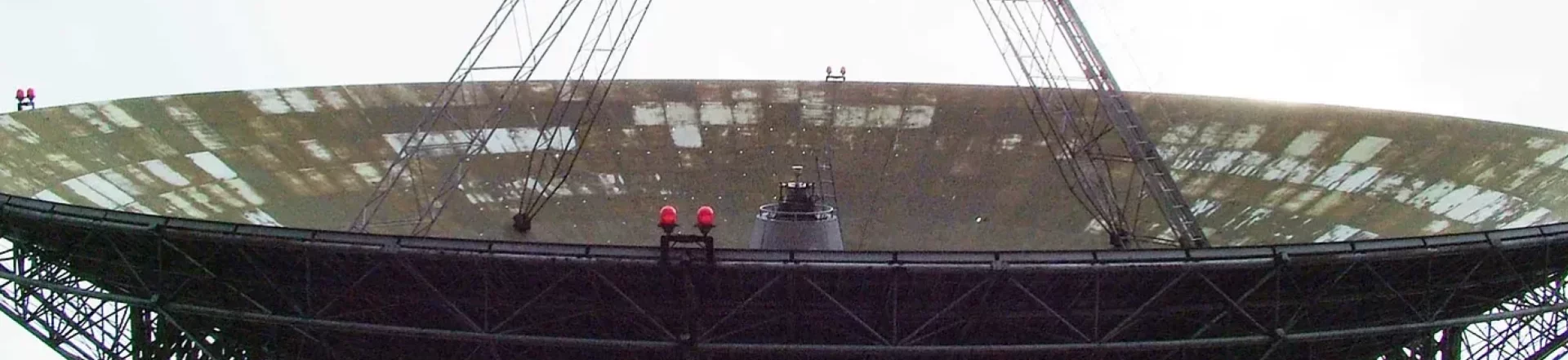
This year is the 50th anniversary of Jodrell Bank. Today is also a landmark day for Jodrell Bank – the whole science team are moving […]
Playing around with customised CD footprints. Here, embedded in the spectrogram is an image, mashed up using Andy’s code to transform to-and-fro from spectrogram to […]
Consolidated Independent (CI) is a world leading digital distribution company. Acting on behalf of the Independent Music sector, it delivers music, audiobooks and video to […]
ACOUSTIC SPACE: RT32 Celebrating the 10th Anniversary of the conversion of the RT32 telescope at VIRAC, Riga & Irbene, Latvia. A collaboration between VIRAC, RIXC […]
ICMC Computer-music festival in Hong Kong. Premiered “Glass” in Hong Kong UST GLASS [8m08s] 1996 The French surrealist literary movement ‘ecriture automatique’ expressed the inner […]
Part of the results of my Masters Degree in Computer-Music from Glasgow University. Amongst other things, we “streamed” uncompressed WAV files between Glasgow and Edinburgh, […]
Working as a researcher at the University of Glasgow, I surveyed all the free digital signal processing (DSP) and music software available on the Internet. […]