Over the years Gavin has run a large number of webcasts – from being the tech infrastructure to behind the camera or mixing desk, to running music and streaming at Virgin Net, to creative director, to running his own companies.
While most is media-based, some of the more important work included UK Prime Minister Tony Blair’s announcement of the Iraq war for Number 10 (before the news was released to the media) and Morgan Stanley’s disaster recovery webcasts after 9/11.
Even before streaming existed as an idea, Gavin was involved in what was then called “real-time audio over the internet” in 1992-94 at Glasgow University’s music department – running a network of 40 NeXT machines across three sites and developing virtual reality audio tools (resulting in AES and ICMC papers in 1994).
After joining Virgin Net in 1995 as employee #5, Gavin put the first live simulcast (concurrent to national FM) webcasts online for UK radio stations:
| Station | Year | Notes |
|---|---|---|
| Virgin Radio | 1996 | The first service of its kind in Europe (1995 beta, 1996 launched). In 1997/98 added on-demand listening to the Chris Evans show after broadcast – now called podcasting. |
| Classic FM | 1996 | Live-streamed via the same Virgin Net servers, which Gavin set up and ran for 4 years. |
| Kiss FM (Kiss 100) | 1996 | Live-streamed via Virgin Net servers. Later at Tornado, the full Emap portfolio of 13+ UK regional stations was added. |

Virgin Net Radio Tuner, c.1996-97
This laid the groundwork for launching the streaming radio tuner on Virgin Net in 1997 – linking Virgin Net with over 30 stations worldwide (from Brazil to Australia). It rapidly became the second most popular service on the site. In 1998 Gavin added “Release Radio”, Virgin’s own web-only streaming station, and later set it up as the first web streaming service available on a mobile handset on Virgin Mobile (1999).
In 1998, Gavin led putting Virgin Megastores online. He proposed a monthly subscription service for streaming and downloading at £9.99/month, with a tiny Cambridge Electronics MP3 player included (an idea that predated Spotify and the iPod Shuffle by years).

The Virgin Net TV tuner – seems quaint now
In the middle of this, Gavin helped create the European Chapter of the International Webcasting Association.

International Webcasting Association – European Chapter
Directing, producing, sourcing, managing and implementing:
Personal favourites: the live webcast shows of NTK from the Global Cafe in Golden Square, and WebShack on Dean Street.
Working with the Virgin Net community team, pioneering the idea of blending webcasting and celebrity chat formats – from formal TV-style 3-camera interviews to Brian May sitting in front of a laptop with a battery-powered guitar.
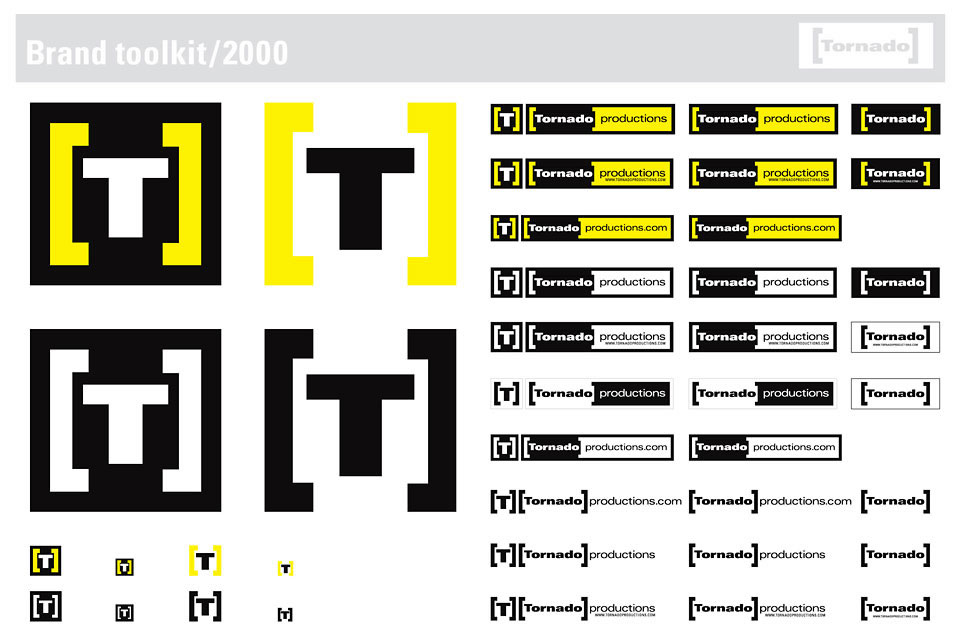
After leaving Virgin Net, Gavin set up Tornado Productions, which he sold in 2003, while continuing “special projects” (including ResonanceFM, Undercurrents and IFIwatch) and streaming continuing after that (including RinseFM).
At Tornado, the full Emap portfolio went online (Kiss 100 and 13 other UK regional stations). Tornado then took on the iconic festival webcasts for Glastonbury (2001-2004) for Playlouder and the BBC, and Reading Festival (including the AOL backstage tent). Glastonbury won “Best use of Broadband” in the UK in 2001 and the weekend audience grew to around 700,000 – until the BBC took it back in-house.
Music webcasts led by Tornado:
Non-music and corporate webcasts:
“Tornado is a professional, experienced entity and a valued partner.”
Yahoo! Broadcast“Tornado processes, staff, technology and above all customer focus all operate at the highest level.” (I like that actual rocket scientists thought we had good processes.)
Loral CyberstarFrom about 1996: audio and/or video, plus images/photos, plus editorial, plus some kind of user-engagement (e.g. chat) around a specific event. Superseded by “live streaming” as a popular term, though streaming actually just describes the technology.
Tries to match the quality of delivery to available network capacity in realtime. If bandwidth drops, quality goes down. Doesn’t store the file locally – data is received, played and thrown away. Most media should/will be streamed given continuous trends to higher bitrates and the need for scalable network management.
Webcasts are usually a live stream with a strong on-demand archive component. Depending on the event, 90% of the audience will be on the live piece, or 90% on the post-event output. For big music events it’s usually 50:50.
See also: Tornado Productions history and the full archive